GLOS works to make real-time and historical data publicly available to the larger Great Lakes community, benefiting data users and decision makers.
-
GLATOSWeb
GLATOSWeb
Great Lakes Acoustic Telemetry Observing System compiles acoustic telemetry project information and helps users learn more about ongoing acoustic telemetry projects in the Great Lakes. Scientists have been implanting Great Lakes fish with transmitters and, like the GPS on a car, have been tracking fish movement through a network of receivers placed on the bottom of the lakes. The purpose of GLATOS is to help scientists and the public learn more about Great Lakes acoustic telemetry projects and their contribution to research.
-
Great Lakes Buoys
Great Lakes Buoys
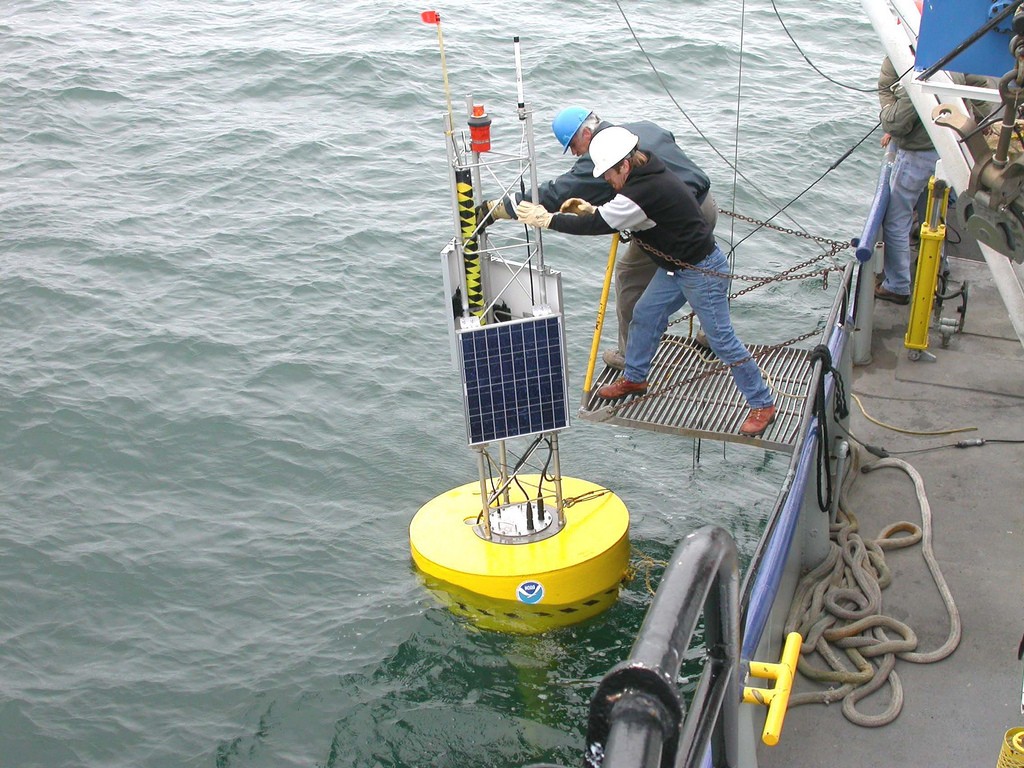
Easy access to real-time observations from buoys and monitoring stations in the Great Lakes region. Buoy data gives users a glimpse of current lake conditions by reporting meteorological and oceanographic conditions, including physical data, e.g., wind (speed, direction, gusts), waves (height, period, direction), and water temperature, as well as selected bio-chemical data, phosphorous, chlorophyll a, and related remote sensing activities.
-
HABs Data Viewer
Harmful Algal Bloom Data Viewer
The Harmful Algal Bloom Data Viewer provides convenient access to data used to monitor conditions and to alert those making decisions regarding harmful algal blooms and water treatment.


Hot Topics
Ice Cover on the Great Lakes
Hot topics: Ice cover in the Great Lakes. Ice on the Great Lakes affects everything from commercial fishing and shipping to the weather itself. Ice is the reason environmental observation buoys can’t stay on the lakes all year. Variables include the amount of cover each year, as well as the duration.

Join GLOS
GLOS members represent a variety of data providers, data managers, and data users. While each member has distinct interests, all are dedicated to and benefit from achieving the GLOS mission: to connect data users with data providers in ways that are supportive of policy and decision making.

© 2026 Great Lakes Observing System
229 Nickels Arcade, Ann Arbor, MI 48104